
Common cricket injuries hold more junior and club players back than most parents realise. A tweaked hamstring chasing a quick single, a sore back after a heavy bowling spell, or a jammed finger in the field can sideline a player for weeks. At Kings Cricket Academy in Kings Park, we coach junior and adult cricketers across Blacktown and Western Sydney every week, and we see the same patterns come up again and again. This guide walks through the most common cricket injuries, why they happen, and how structured indoor coaching helps lower the risk before it becomes a real problem.
The Most Common Cricket Injuries in Junior and Club Players
Cricket puts different strains on the body depending on your role. Bowlers, batters and fielders each pick up a different mix of common cricket injuries.
- Hamstring strains – from sprinting quick singles or chasing the ball in the field
- Side strains – common in bowlers from repeated twisting through the delivery stride
- Lower back and lumbar stress – a real concern for young fast bowlers, especially during growth spurts
- Shoulder and rotator cuff soreness – from repetitive bowling actions or hard, flat throws
- Finger and hand injuries – from catching, wicketkeeping, or a fast-arriving delivery
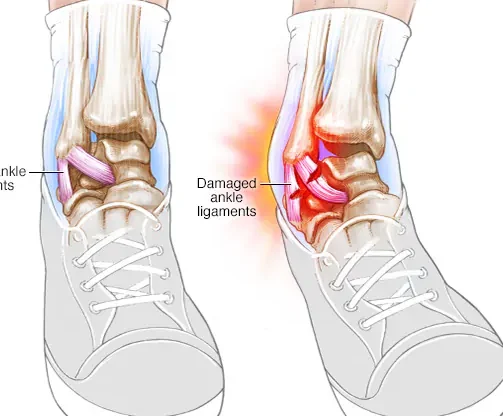
- Ankle sprains – from sudden direction changes or landing awkwardly on an uneven surface
During junior coaching sessions, hamstring strains and finger knocks are the ones we see most often. Lower back stress shows up less frequently, but it’s the one coaches watch closely, because it affects growing bodies and can take months to fully settle.
Why These Injuries Actually Happen
Most common cricket injuries aren’t bad luck. They usually come down to a handful of factors that build up across a season.
- Technique breaking down under fatigue, which puts extra strain through the back and shoulder
- A sudden jump in bowling workload, especially early in the season
- Skipping a proper warm-up before training or a match
- Uneven or inconsistent ground surfaces, which raise ankle and hamstring risk
- Weak core and hip strength, which shows up under repeated bowling and sprinting loads
Parents often ask us why their child’s back only hurts during bowling season. Usually it’s a mix of a growth spurt and a bowling workload that’s increased faster than the body has adapted to.
How Coaching and Indoor Training Reduce Injury Risk
This is where structured coaching makes a real difference, not just to performance, but to how often players get injured in the first place.
Technique Correction With Video Analysis
A bowling action or batting stance that looks fine at half pace can break down under match intensity. Our 1-on-1 cricket coaching sessions use HD video analysis to break a player’s action down frame by frame, so coaches can spot small technical faults, like a mixed bowling action or a collapsing front arm, before they turn into an overuse injury.
A Controlled, Consistent Surface
Outdoor nets and ovals vary week to week, with hard patches, wet grass, and uneven run-ups. Training on a consistent indoor surface removes a lot of the awkward-landing and slipping injuries that happen outdoors. It’s one reason our indoor cricket coaches in Kings Park can focus purely on technique instead of working around changing conditions.
Managing Bowling Workload the Right Way
Cricket Australia’s junior pace bowling guidelines recommend what’s known as the 1, 3, 5 rule for bowlers under 17: one rest day between bowling sessions, a maximum of three bowling sessions a week, and no more than five overs in a single spell. It’s a simple framework, and it’s one of the most effective ways to guard against lower back stress injuries in young fast bowlers.
| Age Group | Recommended Bowling Load |
|---|---|
| Under 17 | 1 rest day between sessions · 3 sessions/week max · 5 overs per spell |
| 17–19 | 2 rest days between sessions · 4 sessions/week max · 6 overs per spell |
Warm-Up and Recovery Tips You Can Use This Week
- Start with a dynamic warm-up, not static stretching — light jogging, lunges, and arm circles work well
- Build up bowling overs gradually through the pre-season instead of one heavy week
- Keep at least one full rest day between bowling sessions
- Stay on top of hydration, especially through Sydney’s summer cricket season
- Don’t play through sharp or one-sided pain — it’s usually a sign to stop and get it checked
These small habits prevent a surprising number of common cricket injuries before they ever start.
Protective Gear That Actually Reduces Injury Risk
Technique and workload management matter most, but the right gear still makes a real difference against ball-impact injuries. A well-fitted helmet with a grille is essential for batting against pace or fielding close to the bat — it’s the single most important piece of equipment for preventing a serious head injury, which is rare in club cricket but never worth risking. Beyond that, batting pads, an abdominal guard, an arm guard, and proper batting gloves handle most of the everyday knocks from a hard ball.
Even indoors, where the surface is safer and more predictable, the ball itself is just as hard. The same gear rules apply during bowling machine sessions and indoor net practice as they do outdoors.
When to See a Physio or Doctor
Coaches aren’t medical professionals, and any player with ongoing pain, swelling, or a sharp injury should see a qualified physiotherapist or sports doctor for a proper diagnosis. What coaching can do is reduce the technique and workload issues that lead to injury in the first place, and support a safe return to training once a player is cleared to play again.
Train in a Controlled Indoor Environment in Kings Park
If you want a training environment that takes injury prevention as seriously as skill development, our indoor cricket training facility in Blacktown gives players a consistent surface, professional coaching, and bowling machine lanes that support safe, progressive training all year round. A cricket net membership is a simple way for regular players to build these habits into their weekly routine.
Common cricket injuries are usually preventable once you understand what causes them. Good technique, sensible workload management, and a consistent training environment go a long way toward keeping players on the field all season. If you’d like a coach to look at your child’s bowling action or your own batting technique, the team at Kings Cricket Academy in Kings Park is happy to help.
What are the 5 most common cricket injuries?
Hamstring strains, side strains, lower back stress, shoulder or rotator cuff soreness, and ankle sprains account for most of the common cricket injuries we see across junior and club players.
What protective gear helps prevent cricket injuries?
A well-fitted helmet with a grille, batting pads, an abdominal guard, an arm guard, and proper batting gloves cover most of the ball-impact injuries players face, whether training indoors or outdoors.
Why do my muscles hurt for days after playing cricket after a long break?
This is usually delayed onset muscle soreness (DOMS) from sudden activity after time off, not an injury. It typically settles within two to three days with light movement, hydration, and rest — sharp or one-sided pain should still be checked by a professional.
How many overs should a junior fast bowler bowl per week?
Cricket Australia’s guidelines recommend bowlers under 17 stick to a maximum of three bowling sessions a week, with no more than five overs in any one spell, and a rest day between sessions.
How can indoor cricket training help prevent injuries?
A consistent indoor surface removes the uneven ground, wet grass, and hard patches that cause many outdoor slipping and ankle injuries, while coaches can focus fully on technique.