
A yorker is a delivery aimed at the “blockhole”, the small gap between the batter’s toes and the base of the stumps, and a perfect yorker hits the bottom of the bat and the ground at the same time. The single most useful cue is to commit fully and send the ball on a flatter path, almost like sliding it through a narrow tunnel to that spot. Try 10 fully committed blockhole attempts in the nets before you change anything else.
Key Takeaways
Consistently bowling a perfect yorker depends on repeatable release geometry, a controlled run-up, and practicing under match-like pressure conditions.
| Point | Details |
|---|---|
| Release consistency | Focus on proper grip, wrist position, and release angle to maintain line and depth for yorkers. |
| Timing and rhythm | Establish a consistent approach with even steps and control your pace to deliver accurate yorkers. |
| Targeted drills | Use stationary, tunnel, and match-speed drills to develop accuracy and adjust your technique under pressure. |
| Match application | Vary yorker line and length to adapt to game situations, especially in death overs. |
| Structured practice with Kingscricketacademy | Use indoor facilities, video analysis, and coaching to improve yorker accuracy effectively. |
Table of Contents
- Grip, wrist and release geometry that create a reliable yorker
- Run-up, rhythm and timing: repeatable movement patterns
- Drill bank: net drills and progressions to train the yorker
- Variations and match application: inswing, wide yorkers and death bowling
- Confidence under pressure and measuring progress
- Safe training loads for junior bowlers and how to adapt practice
- How a structured indoor facility and coached sessions speed yorker development
- Book a yorker-focused session at Kings Cricket Academy
- Sources
- FAQ
Grip, wrist and release geometry that create a reliable yorker
Getting the ball to the blockhole consistently is less about pace and more about repeatable release geometry, a point coaching sources make about bowlers of all speeds who master release height and finger control. The seam should sit upright with a stable grip, index and middle fingers close together, so the ball holds its line rather than wobbling off course. Your wrist stays firm through release, behind the ball rather than around the side of it, which keeps the trajectory straight instead of drifting down leg or wide of off.
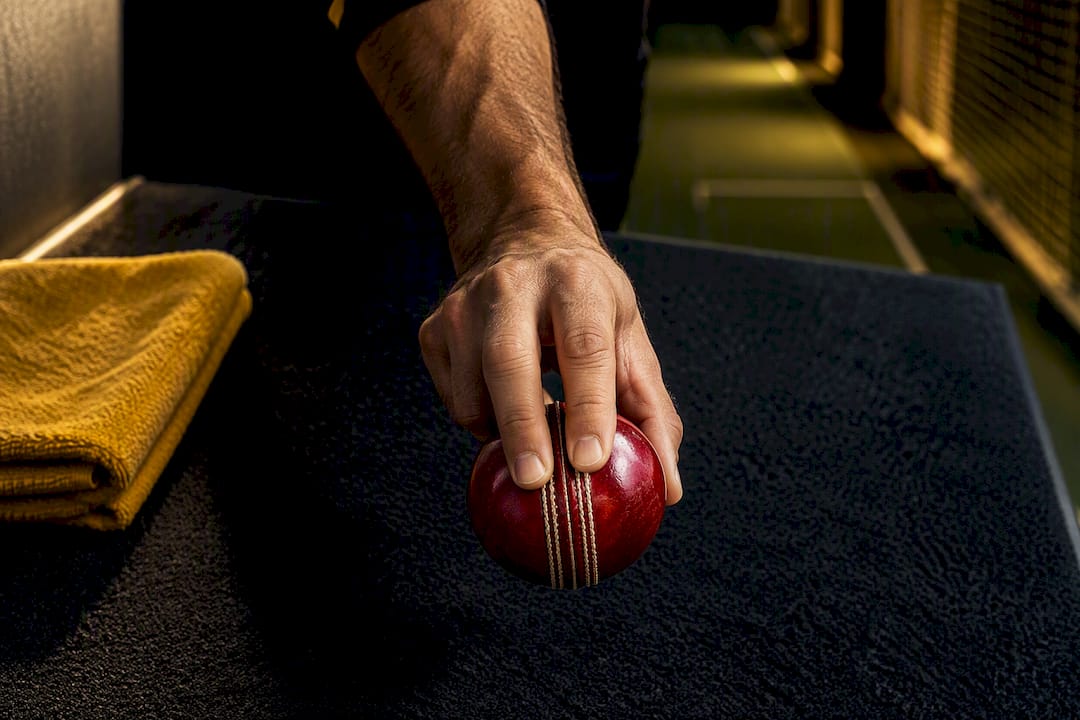
Release point matters more than most bowlers realise. A slightly lower arm and a flatter release angle can help the ball “slide” into the blockhole rather than dropping short, a technique several top coaches recommend specifically for yorkers.
Watch for these common faults:
- Tensing the wrist and forearm late in the action, which pulls the release point and sends the ball short.
- Dipping the front shoulder at the crease, which drags the length down into a low full toss.
- Aiming at the stumps instead of the batter’s toes, which leaves no margin if the release is a fraction early.
Run-up, rhythm and timing: repeatable movement patterns
A yorker lives or dies on timing. If your run-up changes length or rhythm from ball to ball, your release point moves with it, and the blockhole becomes a lottery.
- Mark your run-up with a consistent number of steps and walk it out before every spell so your starting rhythm never varies.
- Count your approach in even beats, building pace gradually rather than sprinting the last few strides, so your front foot lands at the same spot each time.
- Picture a narrow tunnel running from your release hand to the blockhole, and lower your arm slightly through the crease to slide the ball along that line rather than looping it in.
- Adjust your length slightly for pitch pace and for where the batter is standing, since a batter pushing forward or stepping back changes where your natural yorker length actually lands.
Drill bank: net drills and progressions to train the yorker
Structured repetition beats random effort. Start simple and add movement and pressure once the basics hold up.
- Stationary-target drill: place a water bottle or marker at the blockhole and bowl sets of six, aiming purely for contact with the target before worrying about pace.
- Tunnel and rolling-ball drills: roll a football or use a tunnel-style target to simulate a moving batter, a method coaches use to sharpen accuracy against footwork rather than a static crease.
- Match-speed repetition: once your hit rate improves, bowl at full pace in six-ball sets with no warm-up half-tries, since match yorkers are never eased into.
- Constrained-over drills: bowl overs where only singles are allowed or where a missed yorker costs a run penalty, forcing decisions under pressure rather than a slowdown.
Pro Tip: Film every session on your phone and check your release point against the blockhole target, since small release errors are far easier to spot on video than they are to feel in the moment.
Variations and match application: inswing, wide yorkers and death bowling
The yorker earns its reputation in the death overs of white-ball cricket, where a single missed length can go for six but a well-aimed one is nearly unplayable.
- In T20 and ODI cricket, yorkers are the default death-overs weapon; in longer formats they work best as a surprise ball rather than a stock delivery.
- An inswinging yorker targets leg stump and squares up a batter looking to work the ball into the gaps, while a wide yorker outside off denies room for a free swing.
- Captains typically set fields that remove easy singles and punish attempted ramp or scoop shots when a bowler is landing yorkers consistently.
- When a batter moves outside off or backs away, follow the movement or switch your line rather than bowling the same plan into an empty gap.
Confidence under pressure and measuring progress
Net accuracy means little if it disappears under match pressure, so practice needs to simulate consequences, not just repetition.
- Bowl simulated final overs where a missed yorker costs runs or reward points, replicating the pressure of a real death-overs spell.
- Record every session on video and track a weekly hit-rate target against the blockhole marker rather than relying on how the ball “felt”.
- Set a concrete progression, such as 50 fully committed blockhole deliveries across two sessions, and only add pace once accuracy holds.
- Use a simple mental routine before each ball: one breath, one cue word for commitment, one focus point on the release, nothing else.
Safe training loads for junior bowlers and how to adapt practice
Yorker practice for young fast bowlers needs the same care as match bowling, since the repetitive stress of full-length deliveries adds up quickly. Junior pace bowlers face a genuine risk of lumbar bone stress injury, and guidelines recommend clear limits on overs per spell along with planned recovery days.
- Build volume gradually over more than 10 weeks rather than jumping straight into high-rep yorker sessions.
- Cap spells and total overs per week according to age-group guidelines rather than adult workloads.
- Reduce intensity for younger age groups by using shorter run-ups and fewer full-pace deliveries per session.
- Check the detailed junior bowling guidelines before setting any structured programme, and see our cricket drills for junior players for age-appropriate options.
How a structured indoor facility and coached sessions speed yorker development
Consistent yorker practice needs a controlled environment, not just willpower. Bowling machines and dedicated lanes let a bowler repeat the same length dozens of times in a row without waiting for a fielder to return the ball, which turns a scattered net session into focused reps.
- Radar speed guns show whether pace is dropping off as fatigue sets in during a spell.
- HD video analysis breaks the release down frame by frame, making it easier to spot a dipping shoulder or a late wrist than relying on feel alone.
- A typical high-value session pairs 30 to 40 minutes of lane time with a short coach review of the footage straight afterwards.
- Our cricket training tips page covers more on structuring sessions for measurable gains.
Book a yorker-focused session at Kings Cricket Academy.
Practising yorkers in a backyard or a shared park net makes it hard to isolate what is actually going wrong with your release. At Kings Cricket Academy in Kings Park, NSW, our six indoor lanes, bowling machines and radar speed guns let you repeat blockhole targets without rain, fading light or a queue for the net.

Fast Bowling Coaching pairs that lane time with HD video review so a coach can point out exactly where your release drifts, and regular practice is easier to commit to with a 6 visit or 10 visit plan. Book a session through our main booking page and bring a water bottle for the target.
Sources
- Yorker | Britannica
- How to bowl the perfect yorker with Anya Shrubsole — Wisden
- Bowling guidelines for youth — play.cricket
FAQ
Is a yorker hard to bowl?
A yorker is one of the harder deliveries to master because it needs precise release timing rather than raw pace, and a small error easily turns it into a full toss or a long hop. With structured drills and repeated blockhole targeting, most bowlers improve their consistency without needing extra speed.
What are the best tips for bowling a yorker?
Commit fully to the delivery, use a flatter release to slide the ball toward the blockhole, and practise against moving targets such as a rolling ball or tunnel drill rather than a stationary marker alone. Filming your action and checking your release point against the target speeds up correction.
Who is the No. 1 yorker bowler?
There is no official ranking body for yorker specialists, and naming a definitive “best ever” would go beyond what the available sources confirm. Coaches and commentators frequently point to Brett Lee’s death-overs yorkers as a benchmark for pace combined with accuracy.
Can a spinner bowl a yorker?
Yes, a spinner can bowl a yorker-style delivery, though it is far less common than in pace bowling since spin relies on flight and turn rather than a flat, sliding trajectory. Some spinners use a quicker, flatter arm ball aimed at the base of the stumps to achieve a similar effect against a batter looking to use their feet.
Recommended
- Cricket Batting Drills On 1 In Sydney: Improve Faster
- Cricket Drills For Junior Players: Batting, Bowling & Fielding
- Why Indoor Cricket Nets Sydney Are Better Than Outdoor Nets