
Missing a squad can make months of practice feel wasted, especially when your friends receive the news you wanted. Cricket selection disappointment hurts because the opportunity mattered, but one decision doesn’t erase your skills or your place in the game.
You don’t need to feel positive straight away, and parents don’t need to solve everything immediately. Start with support, then seek useful feedback and build a plan that leaves room for cricket, rest and everyday life.
Key Takeaways
- Missing selection can bring sadness, anger or embarrassment, but one squad decision does not define a young player’s skills, worth or long-term potential.
- Give the player time and space to process the news. Parents can listen before offering solutions and manage their own disappointment away from their child.
- Once emotions have settled, ask the club about its selection process and seek specific, constructive feedback rather than guessing why the player missed out.
- Turn feedback into a manageable plan with one or two priorities, while protecting rest, health and enjoyment of cricket.
- Club cricket, friendships and a sense of belonging still matter. Seek extra support if distress affects everyday life, and get urgent help if a young person cannot stay safe.
Understanding Cricket Selection Disappointment
Young players may feel sadness, embarrassment or anger after missing representative cricket selection. They may also worry about facing teammates or telling family members.
Those feelings deserve attention before any discussion about technique. Even well-meant advice can feel like criticism when the news is fresh.
Give Feelings Some Space
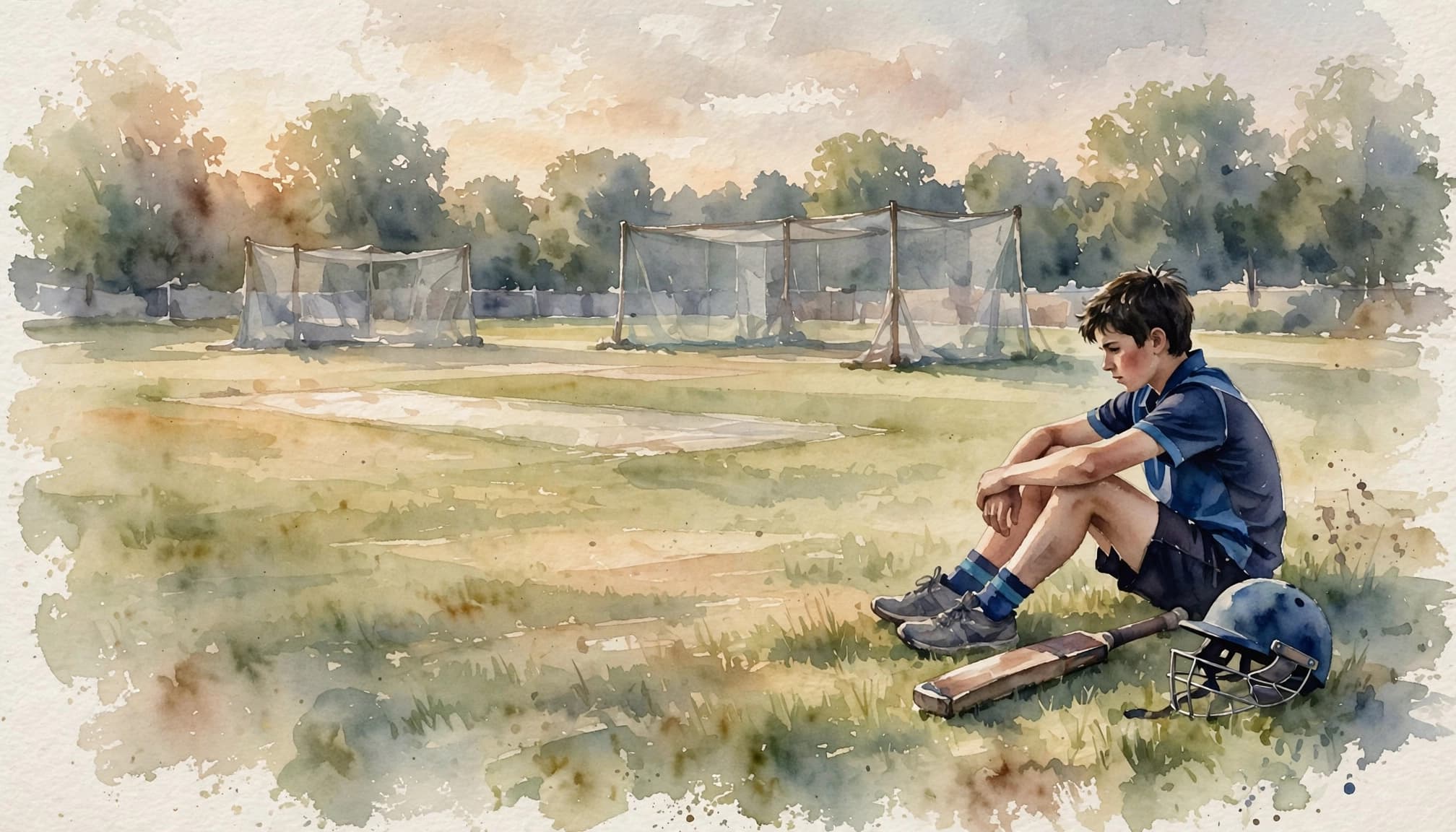
For players, the first step can be simple: tell a trusted adult what feels hardest. You might be upset about the missed opportunity, being separated from friends, or feeling that your effort went unnoticed.
If talking feels difficult, ask for company without a conversation. A walk, a meal or a quiet evening can help you settle. You don’t have to analyse the trial that night.
Avoid making permanent decisions while emotions are strong. Taking a short pause is different from deciding to leave cricket altogether.
Separate the Decision From Your Identity
“I wasn’t selected” describes an outcome. “I’m a bad cricketer” turns that outcome into a judgement about yourself.
Parents and coaches can gently help players keep those statements separate. Acknowledge the disappointment without arguing them into happiness.
School interests, friendships and other activities also matter. Keep those parts of life visible, particularly when cricket has occupied most conversations at home. A young person’s worth never depends on a team list.
How Parents Can Support After a Miss
Your response sets the tone for what happens next. The Australian Sports Commission’s guidance on supporting a child’s sporting development recognises parents, coaches and teachers as important support figures.

Listen Before Offering Solutions
Try saying: “I know you wanted this. Would you like to talk, or would you prefer some space?”
Then listen without interrupting. Avoid immediately comparing your child with selected players or reviewing every delivery from the trial.
You can acknowledge their preparation without promising a different result next time: “I noticed how carefully you practised your bowling.”
For young players, especially younger children, keep the conversation brief and concrete. Older players may want more privacy or a greater say in contacting coaches. Ask before sharing their disappointment with relatives or other parents.
Keep Your Own Disappointment Under Control
Parents can feel hurt too, particularly after investing time and money. Process those feelings with another adult, away from your child.
Avoid angry messages, public criticism or claims that another player didn’t deserve selection. These responses can add tension to relationships your child still needs.
Also resist booking extra sessions immediately. Ask what support they want before changing the family schedule. The drive home doesn’t need to become a performance review, and the next week doesn’t need to become a campaign to prove somebody wrong.
What Missing Selection Can and Cannot Tell You
A selection announcement tells you who has been chosen for that squad. Without feedback, it doesn’t explain why an individual missed out.
Ask the club or association about its selection policy, selection process and how the selection panel shares feedback. Check whether a review process exists. Don’t guess the reason from rumours, another parent’s opinion or one trial moment; it can’t show performance and consistency over time.
Junior player development also varies between players. Technical confidence, physical development and match awareness don’t all progress at the same speed. An early selection outcome cannot settle a player’s long-term potential.
Cricket Australia’s talent pathways provide context for formal development opportunities, including representative cricket. However, confirm local eligibility, trial arrangements and future opportunities directly with your association.
Elite selection discussions can feel relevant, but they shouldn’t become a junior player’s yardstick. Comparisons with a test squad or test selectors won’t explain a local decision.
Focus on the questions your own coach can answer: what is working, what needs attention, and where you can keep playing meaningful cricket.
Ask for Feedback That You Can Use
Once the initial disappointment has settled, seek a short, constructive conversation. The goal is clear next steps for player development, not an argument about the announced squad.
Ask Specific Questions
Start with: “What did you see as my strengths?” Follow with: “Which one or two areas should I work on?”
Then ask what improvement would look like in practice or matches. For example: “What would you like to see improve in my performance and consistency?” “Be more consistent” becomes more useful when a coach explains the behaviour they want to see.
A younger player can have a parent present. An older junior may prefer to lead the conversation with an adult’s support.
Write down the main points afterwards. If feedback isn’t available, a trusted club coach can review your game without pretending to know the selectors’ reasoning.
Check Understanding Before Making Changes
Ask the coach to explain unfamiliar terms or demonstrate the suggested adjustment. Players should understand both the practice task and its purpose.
Don’t rebuild an entire batting setup because of one vague comment. Compare feedback with what your regular coach has observed over time.
For a technical issue, one-on-one cricket coaching with video analysis can help a player see their movement more clearly. Agree on a narrow focus first, such as balance at contact or bowling run-up rhythm.
Coaching should produce understandable next steps, never a guarantee of selection.
Turn Feedback Into a Balanced Training Plan
Cricket selection disappointment can trigger an urge to train harder immediately. A manageable plan gives effort a purpose. With a growth mindset, treat practice as a chance to learn, not proof of worth or a guarantee of selection.
Choose a Small Number of Priorities
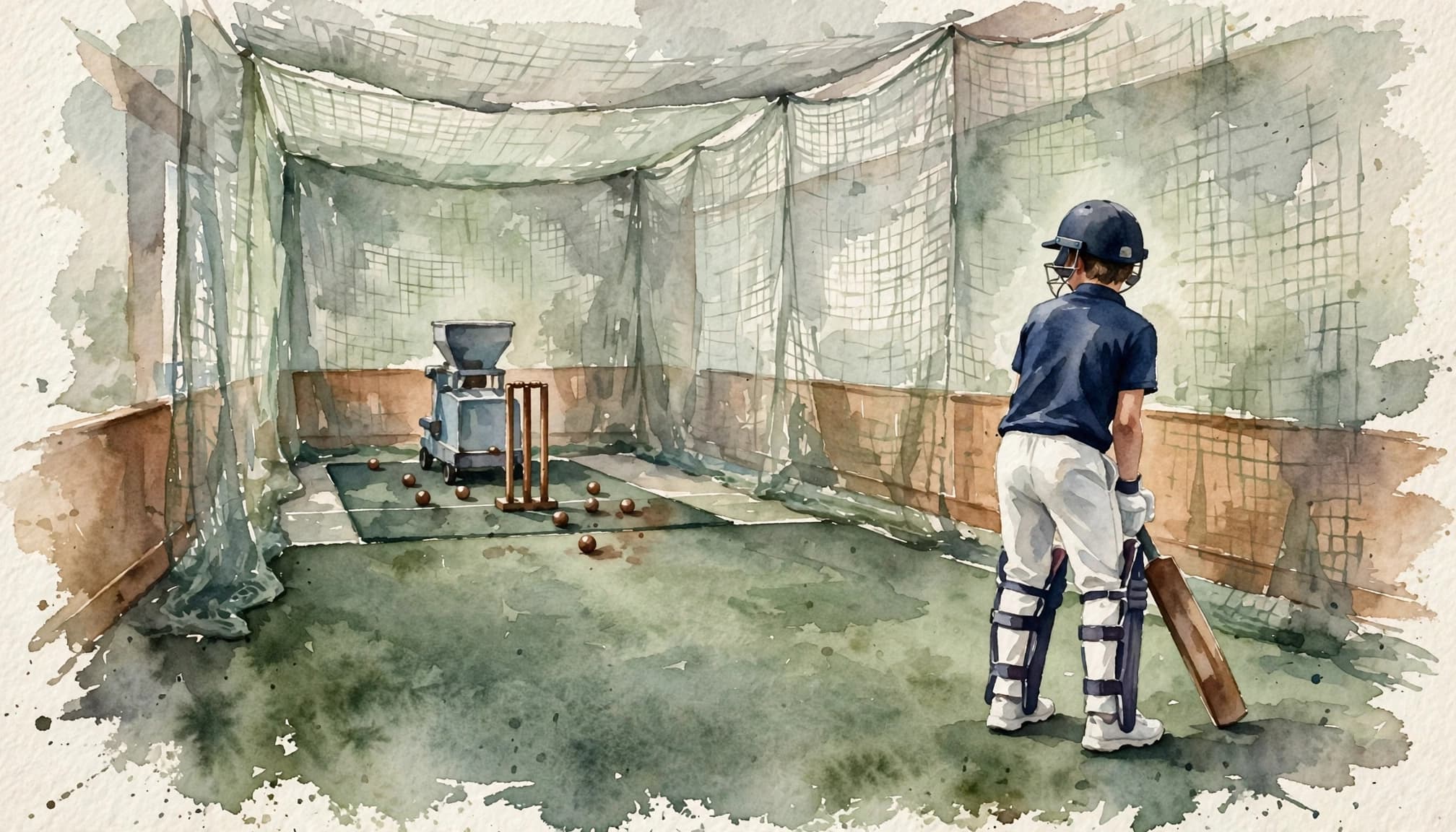
Work with your coach on one or two priorities suited to your experience. A batter might practise leaving outside off stump. A bowler can work on a repeatable run-up and target area.
Keep fielding and match awareness involved too. Calling clearly between wickets, backing up throws and choosing sensible scoring options all deserve attention.
Before each session, name its purpose. Afterwards, record what improved and what remains difficult. Review performance and consistency across several sessions or matches, not just one effort.
Review the plan with your coach rather than adding more drills every time frustration returns.
Protect Rest and Enjoyment
There isn’t one training schedule that suits every junior. Consider age, school demands, club commitments, other sports and current health.
For bowlers, count bowling across all settings, including matches, school cricket and private practice. Follow the relevant junior workload guidance with your coach.
Keep rest days and enjoyable activities in the schedule. Report pain rather than pushing through to demonstrate commitment.
If cricket starts feeling like punishment, discuss the workload. Adjusting a plan is sensible coaching, and a young player should have a voice in that decision.
Rebuild Confidence Through Club Cricket
Your club team remains a place to compete, contribute and belong. Return to training with a manageable aim, such as communicating clearly in the field or following your bowling plan.
Confidence can grow through familiar routines and evidence of progress. Keep a brief record of useful moments after matches, including decisions you handled well.
Runs and wickets matter, but they don’t capture everything. Track whether you watched the ball more consistently, recovered after an error or supported a teammate.
A player can have a low-scoring match and still show progress in shot selection. Review decisions alongside the scorecard.
Maintain friendships with selected teammates when you’re ready. You can congratulate someone and still feel disappointed about your own result. Muting squad announcements temporarily is reasonable if repeated updates feel overwhelming.
For families seeking additional support, junior cricket coaching in Western Sydney can complement club cricket through individual skill development. Choose support that fits the player, rather than replacing every free afternoon with training.
When assessing any coaching environment, ask about supervision and raising concerns. Australian Cricket’s Safeguarding Children Policy sets out children’s right to safety and protection. Feedback should never involve humiliation or threats.
Recognise When Extra Support Is Needed
Disappointment doesn’t follow a fixed timetable. However, seek help when distress interferes with sleep, school, relationships or usual activities, or when it worsens.
A trusted parent, guardian, teacher or coach can be the first contact. A GP, school counsellor or qualified mental-health professional can provide further support.
Ask calmly how the player is coping outside cricket. Don’t assume silence means they’re fine, and don’t force a detailed conversation in front of teammates.
For older players and coaches, the AIS athlete wellbeing education modules offer learning resources about wellbeing in sport. They don’t replace individual care when someone is struggling.
Young players can also request practical changes, such as quieter feedback or a lighter week. Adults should listen without treating those requests as a lack of commitment.
If a young person talks about harming themselves or cannot stay safe, seek urgent help immediately. Stay with them and contact emergency services on 000 in Australia.
Frequently Asked Questions
What should I say to a young cricketer who missed selection?
Acknowledge that they wanted the opportunity and ask whether they would like to talk or have some space. Listen without immediately comparing them with selected players or reviewing their performance.
When should we ask the coach for feedback?
Wait until the initial disappointment has settled, then ask for a short, constructive conversation. Questions about strengths, one or two areas to improve and what progress would look like can lead to useful next steps.
Does missing selection mean a player isn’t good enough?
No. A selection announcement says who was chosen for that squad; without feedback, it does not explain an individual decision or determine a player’s future potential.
How can a player improve without overtraining?
Work with a coach on one or two clear priorities and review progress across several sessions or matches. Make room for rest, school, other activities and enjoyable cricket, and speak up about pain or excessive workload.
When should a young player get extra support?
Seek help from a trusted adult, GP, school counsellor or qualified mental-health professional if distress affects sleep, school, relationships or usual activities, or gets worse. If a young person talks about harming themselves or cannot stay safe, stay with them and contact emergency services on 000 in Australia.
Keep Progress Bigger Than Selection
A missed squad can hurt without becoming the centre of a young cricketer’s identity. Calm support, clear feedback and balanced practice give players useful choices about what comes next.
Parents and coaches should protect long-term development, including enjoyment, health and belonging. None of those needs to wait for another selection announcement.
Start with one conversation and one manageable next step. The effort already invested still matters, even when the team list doesn’t bring the news you hoped for.