
A junior cricket club Western Sydney families can reach each week is more useful than a distant one with an impressive name. You need a program your child enjoys, a manageable schedule and a clear answer about what you’ll pay.
Search results can mix weekend clubs, introductory programs, tournament organisers and private academies. They do different jobs, so start with the kind of cricket your child wants to play. Then compare what an ordinary training night and match day would look like for your family.
Match the Program to Your Child’s Stage
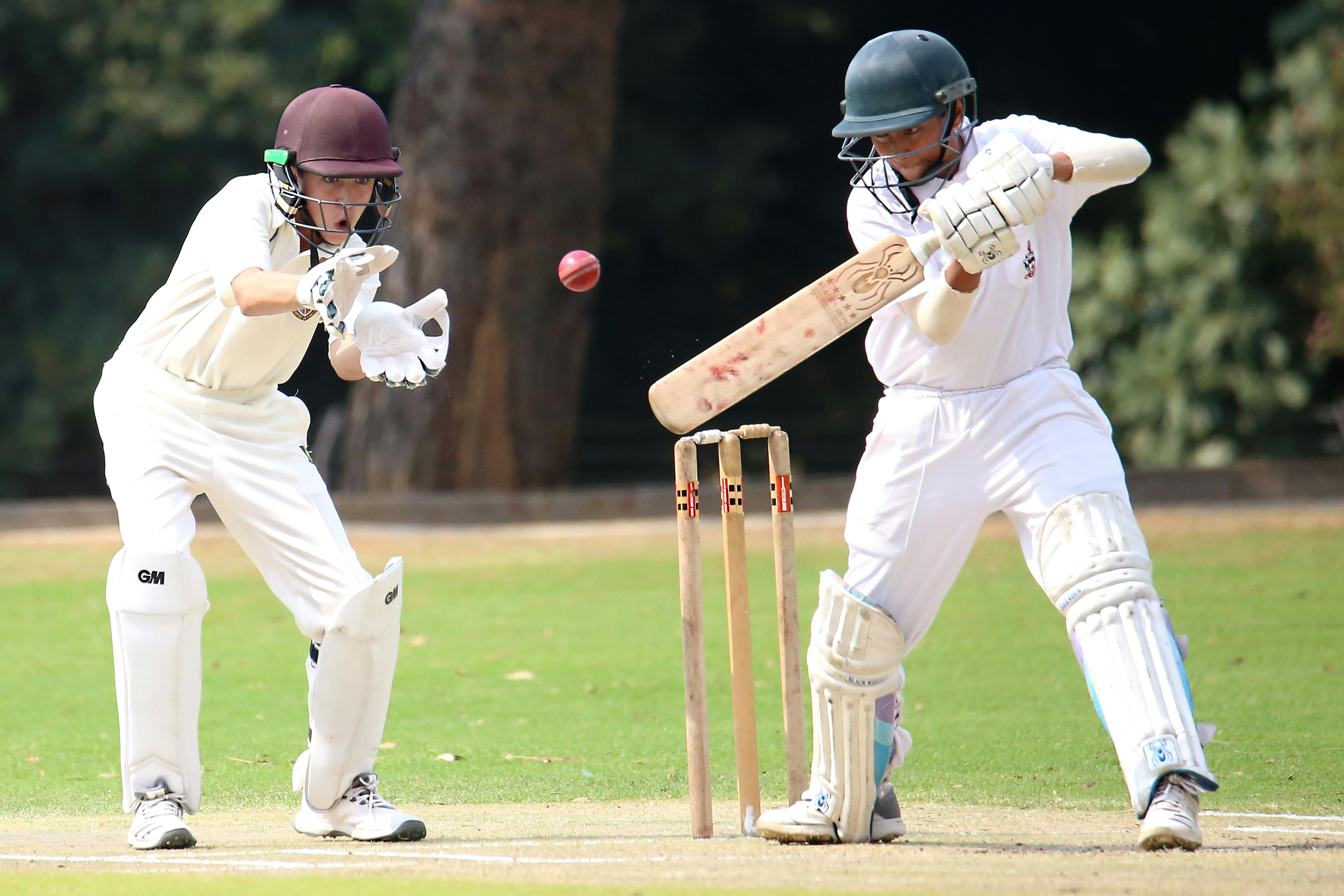
Age matters, but confidence and experience matter too. A child who has never faced a bowler may want a different start from one who already plays school matches.
Start with Cricket Blast or Club Matches
Woolworths Cricket Blast is an introductory option for children up to age 10. Weekly sessions typically run for 60 to 90 minutes and focus on learning through activity. Check the local listing for current age eligibility and session details.
junior club cricket can be the next step, adding a team and scheduled competitive cricket matches. Ask how the club introduces new players, shares chances to bat and bowl, and adapts games to the grade. A beginner doesn’t need to be a strong cricketer before joining, but the format should suit their confidence and experience.
A listing for the Western Sydney Premier League doesn’t by itself confirm a place in weekly junior club cricket. Check which grades and formats it covers, and whether it’s a club competition, tournament or academy program.
Check the Actual Grade, Not Only the Age Label
Clubs and competitions don’t all offer the same grades or age groups. You may see options such as Under 8 through Under 17, but nearby clubs might not field every age group. Confirm age cutoffs, ball types and match formats directly with each club.
The Western Sydney Cricket Association’s tournament listings, for example, include Under 12 to Under 16 groups. These tournament categories aren’t a complete list of weekly club grades. Tell each club your child’s date of birth and playing history, then ask which team would suit them.
Find a Junior Cricket Club Western Sydney Families Can Reach
An oval that seems close on a map can become a long trip after school or on Saturday morning. Compare the actual training venue and match area, not just the suburb in a club’s name.
Build a Suburb-Based Shortlist
Use Cricket Australia’s program finder to search by location, age and format. Check the Western Sydney Cricket Association’s current information for competition details, but tournament listings don’t confirm weekly team availability.
Near Blacktown, you could check Blacktown City, Blacktown Workers Junior, The Ponds, Glenwood Redbacks and Doonside. This is a non-exhaustive shortlist, not an endorsement, and each club must confirm places in your child’s grade.
Search nearby suburbs as well as your own, and compare local clubs by training times and real driving routes. Families in Kings Park, Quakers Hill or Marayong may find these matter more than postcode boundaries.
Confirm Where the Team Actually Plays
Ask where training happens, which grounds host home matches, and how far away fixtures might be. For your child’s likely grade, confirm the specific Blacktown grounds and catchment rules directly with the club. Ask about registration availability and whether matches use a turf wicket.
A useful comparison is the whole weekly trip: getting to training after school, reaching matches on time and collecting your child afterward. Repeat that trip for a season, and small differences in travel become significant.
Judge the Weekly Experience, Not Just the Club Name
Ask whether you can visit a training session. Watch whether children spend most of the session moving and practicing or waiting in a long net queue. Notice how coaches speak to a player after a mistake. Young beginners need instruction they can use without feeling embarrassed.
Ask who leads junior cricket coaching, how sessions are supervised, and how many junior cricket players share each coach. Find out how teams are formed, whether newcomers get match opportunities, and how the club handles a child who’s ready for a different level. For an older player, ask how the coach works on batting, bowling, fielding, and match decisions across the season.
Safety deserves a direct conversation. Check the club’s supervision arrangements, child-safety procedures, heat and rain decisions, and process for raising a concern. Also ask who supplies protective gear when the grade moves to harder balls.
A well-run session gives each child a chance to practise and understand their next improvement, not merely a turn in the nets.
If your child is hesitant, ask whether observing or trying a session is possible before committing. Watch their response afterward. The best feedback often comes on the drive home: did they understand the activities, meet someone and want to return?
Check Coaching and Indoor Training Access
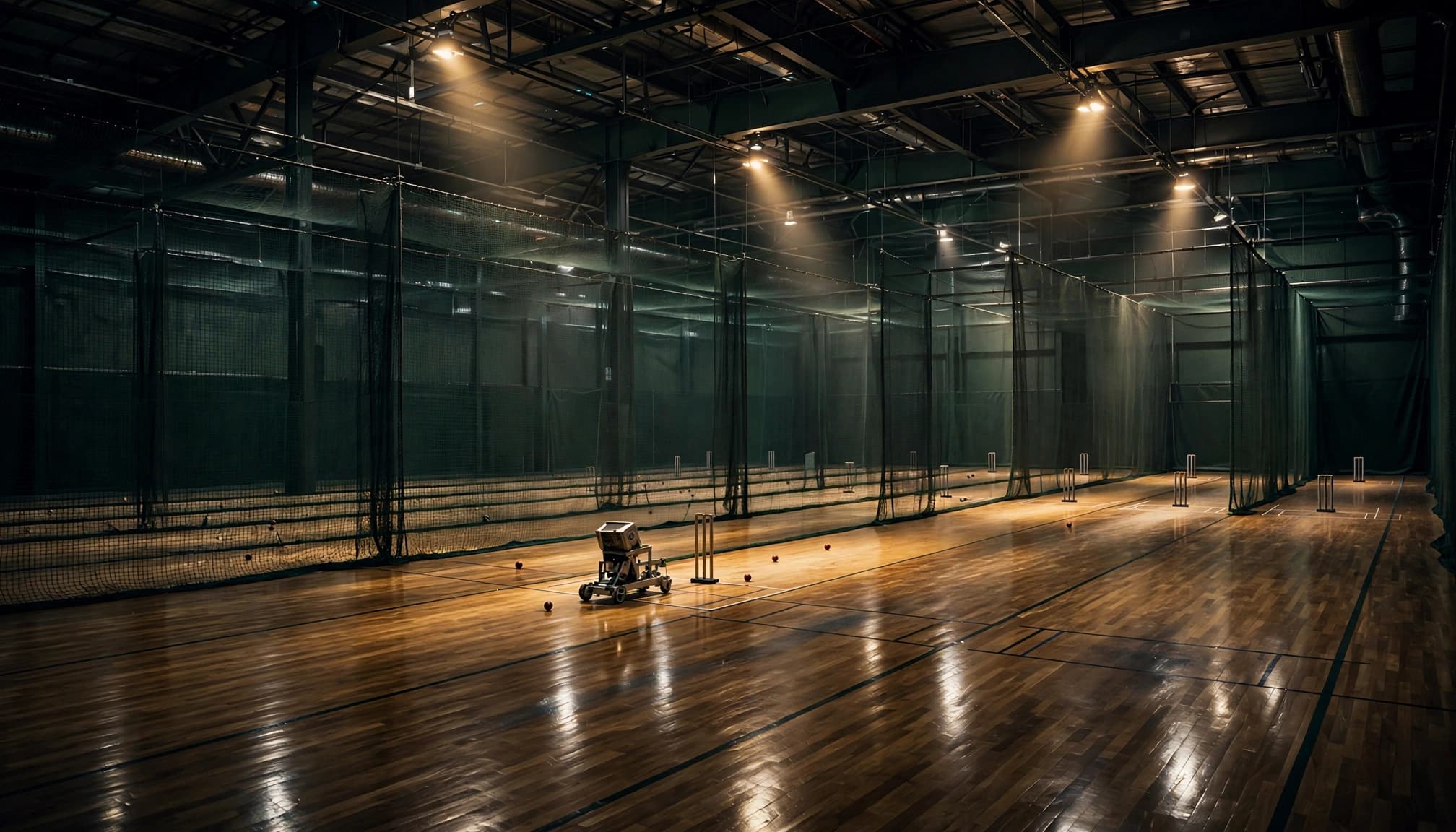
Club coaching and academy training can complement each other, but they aren’t interchangeable. Club cricket provides teammates and matches, while an indoor cricket facility can offer extra practice on a particular skill.
Look for a Clear Practice Plan.
Ask what typical cricket coaching sessions involve and how coaches adapt them to age and experience. Younger children generally need enjoyable, manageable activities. As players gain experience, focused practice with clear goals can support skill development better than hours of unplanned net practice.
For example, batting development might focus on footwork against a consistent delivery. Bowling development could start with a repeatable run-up and line before adding pace. A focused catching or ground-fielding drill can help players practise fielding techniques. Families considering extra help can compare those needs with junior cricket coaching in Western Sydney.
Separate Club Fees from Optional Training
Kings Cricket Academy operates at 4/1-5 Melissa Place, Kings Park, with six indoor lanes, bowling-machine training areas and video analysis. Its indoor lane booking options list $39 per hour off-peak and $60 per hour at weekday peak times. Confirm current rates and availability directly before booking.
Those are facility-hire prices, not junior club registration fees. Likewise, one-to-one coaching is an optional addition, not a requirement for enjoying or improving at club cricket. If your child wants extra practice, ask whether the club already offers sufficient coaching before adding another weekly commitment.
Find a Girls’ Cricket Option That Fits
Girls can choose from mixed teams, girls’ teams and introductory programs. Cricket Australia’s girls’ cricket pathways show how a junior cricket pathway can extend through club and representative opportunities. Team availability and formats vary by club and season, so confirm local options directly.
Ask which age groups have dedicated girls’ teams this season, where they train, and whether they play a full fixture. If the nearest option is mixed, ask how the club supports girls joining that team. Neither format is automatically the better fit; your child’s preference and the team’s day-to-day environment count.
For a teenager, ask what happens as junior cricketers move into the next age group. A good option now is easier to commit to when you know whether the club expects to field a suitable team next season.
Compare Full Season Costs and Equipment
A registration price doesn’t always tell you what a cricket season will cost. Get a current figure from each club’s registration page or coordinator, then ask what’s included. Fees, inclusions, and payment arrangements can change each cricket season.
Ask What the Fee Covers
Check whether the price includes match fees, insurance-related charges, a playing shirt, a cap, and access to shared equipment. Ask separately about uniforms, travel, optional coaching, and tournament entries. If your child joins after the season starts, inquire about late registration and any adjusted fee.
Woolworths Cricket Blast has separate pricing, so don’t use it to estimate junior club season fees. Indoor lane hire is a separate cost, too. If two clubs quote different totals, compare their inclusions and weekly commitments before deciding which one costs less.
Buy Gear for the Grade They’re Entering
For an initial inquiry or trial, ask whether your child can borrow a bat and protective equipment. Comfortable sports clothing, suitable shoes, a hat, and water are sensible starting items, but follow the club’s instructions for the venue.
Before buying pads, gloves or a helmet, confirm the grade’s ball and equipment requirements directly with the club. Children grow quickly, and borrowed gear may help you find the right size. Put your child’s name on anything they bring to training, particularly a drink bottle or shared-looking bat cover.
Register Without Missing a Detail
Once you’ve narrowed the options, contact the club before paying. Online listings are useful, but a coordinator can confirm whether the right team has room and when your child can start.
- Search by suburb, age and format, then shortlist clubs with workable training and match locations.
- Before paying for team registration, ask the club to confirm the grade, available places, training night, fixture day and total current cost.
- Check equipment requirements and whether your child can attend or observe a session first.
- Follow the club’s current registration links, which may lead to PlayHQ, and keep the confirmation.
- Ask when team allocations and first-session details will be sent.
An academy booking isn’t team registration for weekend matches. A tournament entry doesn’t necessarily enrol your child with a local club for a full season, either. Confirm age groups, places, fees, season dates and requirements directly with the club, as these can change each cricket season.
Key Takeaways
- Choose a format your child is ready to enjoy, then verify the grade the local club offers.
- Compare real training and match locations before choosing by club name or suburb.
- Visit a session when possible; coaching attention, supervision, and your child’s reaction matter.
- Request the full season cost and equipment list before buying gear or registering.
- Treat indoor coaching as an optional supplement to team cricket.
Frequently Asked Questions
How Young Can My Child Start Cricket?
Woolworths Cricket Blast caters to children up to age 10, though local program listings should confirm the age range and session arrangements. Junior club grades vary. If your child is new to cricket, ask whether a beginner-friendly team or an introductory program would make the better first step. Confidence and interest matter as much as age.
Does My Child Need Private Coaching to Join a Club?
No. Club training and matches give children a place to learn with teammates. Private coaching can help when a player wants focused feedback on a particular skill, but it’s an optional expense. Start by asking what instruction the club provides and whether your child enjoys its sessions.
What Happens if Rain Cancels Training or a Match?
Each club and competition sets its own procedures. Ask who announces cancellations, where updates appear, and whether a match can be rescheduled. Also check whether the club has an indoor practice arrangement; don’t assume access to an indoor venue comes with registration.
Choose the Club Your Child Will Want to Return To
The strongest choice is a reachable club with the right grade, attentive coaching, and a schedule your family can keep. A name on a search page can’t tell you all that.
Confirm the details with two or three clubs, visit if you can, and listen to your child afterward. A good fit is one they can enjoy week after week.